
Homes That Bring Us Together: The New Era of Living
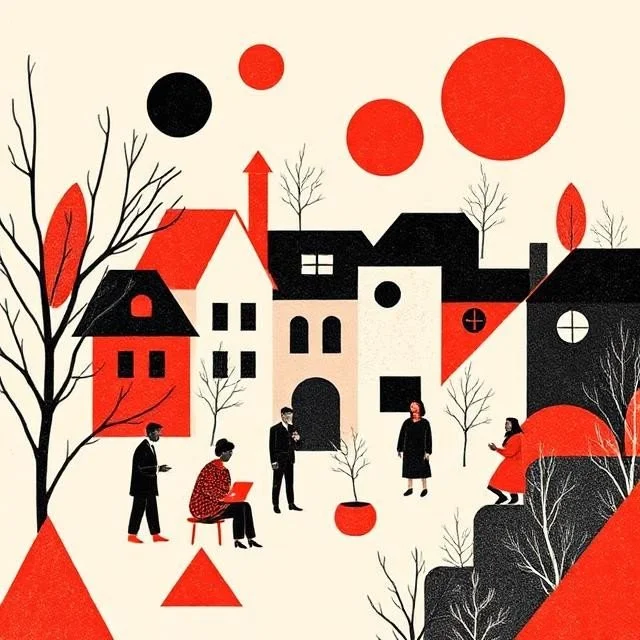
1. Building Homes That Bring People Together
Modern housing must go beyond function. Today’s families—and communities—are looking for spaces that actively encourage interaction and togetherness.
Design strategies highlighted in SHA’s journal include:
• Open-plan living areas that support shared daily routines
• Visual connections between rooms to maintain a sense of unity
• Transitional spaces (like kitchen-dining zones) that naturally draw people together
The shift reflects a broader change in expectations: homes are no longer static shelters but social environments that support relationships and wellbeing.
2. The Rise of Coliving: Privacy Meets Community
Coliving has evolved from a niche concept into a practical urban housing solution. Especially in high-density cities, it offers a balance between affordability, flexibility, and social connection.
Successful coliving spaces share several defining features:
• Well-designed communal areas that encourage spontaneous interaction
• Private spaces that maintain personal comfort and independence
• Amenities that simplify daily life (shared kitchens, workspaces, lounges)
The key insight: people don’t just want to live near each other—they want meaningful ways to connect, without sacrificing privacy.
Earlier SHA discussions reinforce this, noting that coliving can reduce loneliness and improve wellbeing by fostering organic social interaction.
3. Designing for Change: Flexible Homes for Evolving Lives
One of the most practical challenges in housing is that life changes—but buildings often don’t.
SHA emphasises that homes should be designed with adaptability in mind:
• Rooms that can shift function (e.g., office → bedroom → hobby space)
• Layouts that accommodate different life stages (young families → empty nesters)
• Structural foresight that allows future modifications
This approach recognises that:
A home that works today may feel limiting tomorrow.
Flexibility is no longer a luxury—it’s essential for long-term usability and sustainability.
4. A Bigger Picture: Human-Centred, Community-Focused Design
Across all these themes—family living, coliving, and adaptability—there’s a unifying principle:
Architecture should prioritise people, not just buildings.
SHA’s philosophy consistently highlights:
• Designing for wellbeing and mental health
• Encouraging social interaction through spatial planning
• Creating environments that foster belonging
This aligns with a wider industry shift toward human-centred design, where success is measured not only by aesthetics or efficiency, but by how spaces make people feel and connect.
Conclusion: From Spaces to Experiences
The SHA Journal paints a clear picture of where housing is heading:
• Homes must bring people together, not isolate them
• Shared living models like coliving will continue to grow
• Flexibility will define long-term value in residential design
Ultimately, the goal is simple but powerful:
to create spaces that support real life—its relationships, its changes, and its need for connection.
If you are interested in learning more about designing a home extension that truly enhances your well-being, feel free to get in touch by emailing us or booking in a call.
T: +44 207 267 9679
WhatsApp: +44 7547 955 989
E: info@sha.uk.com
We would be happy to discuss how your home can better support the way you live.