
Adaptive Reuse: Transforming Existing Buildings into Profitable Property Developments
Why Adaptive Reuse is Gaining Ground
In cities like London, where space is tight, costs are high, and the planning landscape is increasingly sustainability driven, adaptive reuse isn’t just a clever design approach, it’s one of the smartest ways to unlock value in property development and significantly reduce both construction time and environmental impact.
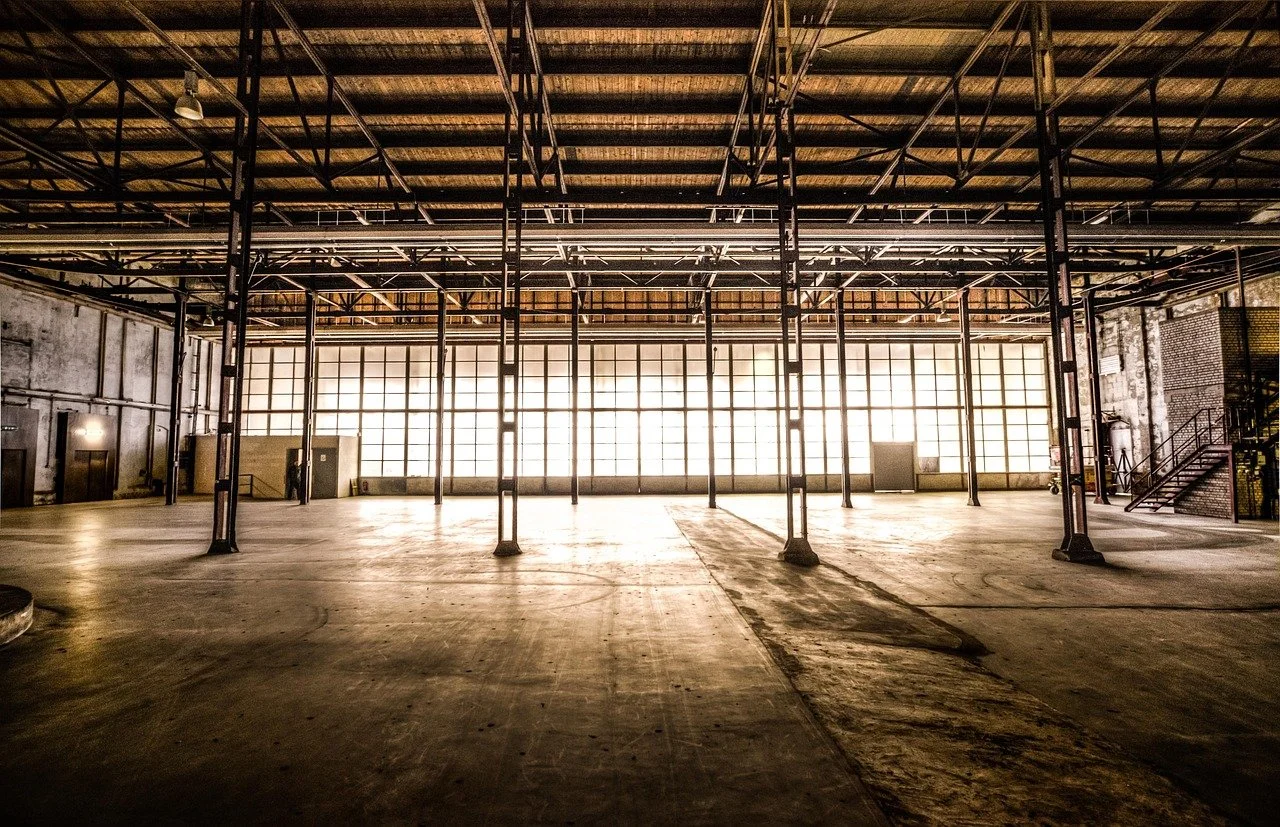
By repurposing existing outdated and disused buildings, adaptive reuse takes what already exists and reimagines it for a new life. Think of converting an old office block into apartments, a warehouse into a creative coworking space, historic buildings can be brought up to modern standards to later revived into libraries, museums, schools or creative studios, without disrupting the architectural and visual harmony of the surrounding buildings.
Rather than demolishing and rebuilding, this development strategy works with the existing structure without erasing the character that makes the building worth keeping, while simply rethinking its function thus offering a sustainable and fast way to innovate within the existing urban fabric, not against it.
Sustainability, Speed and Smarter Investment
Adaptive reuse offers a profound environmental advantage. It is inherently sustainable and transforms existing structures into vibrant functional communal spaces while preserving the craftsmanship and materials. Demolition and new constructions are very carbon intensive processes, from the fuel used by the heavy machinery and dust and particles released in the air, to the emissions tied to the production of new building materials. By contrast, maintaining a buildings structural integrity can preserve over half of its embodied carbon, giving a major advantage in the eyes of planner and policy makers.
But the benefit goes further than carbon alone. Adaptive reuse dramatically reduces the energy, materials, and time required to bring a project to life. With much of the basic infrastructure already in place, it makes it possible to avoid the lengthy site clearance and foundational work that normally requires weeks, sometimes months. As a result, you enjoy a faster build, sooner occupancy or use, and a quicker return on investment, all while dramatically shrinking the project’s environmental footprint.
Respecting the Urban Fabric
Adaptive reuse goes beyond performance and reducing carbon emissions, it also respects history. One of the often-overlooked benefits is how well these projects reinforce the existing pattern of development in a neighbourhood. Instead of dropping a hyper modern tall glass building into the middle of a historic street, developers can maintain the continuity of scale, textures, materials and colours without compromising the rhythm that defines an area’s identity.
London has a long history of repurposing a building from one function to another, and it has rightly become an international leader in this field. NLA’s recent project “Adaptive London” highlights a wave of successful reuse schemes across the city, where former industrial buildings, outdated offices or redundant commercial blocks have been repurposed as mixed-use developments while meeting contemporary needs.
Take for example the London Museum project by Stanton Williams and Asif Khan, which preserved the historic Smithfield’s fish market site’s charm while offering new cultural space that can benefit local people and communities. Another successful example is Squire & Partners’ recent transformation of the Seifert’s icon space house into a peaceful and iconic work environment, all while maintaining the fine mid-century modern brutalist architecture.
Future-Proofing and Long-Term Value
Looking forward, adaptive reuse also makes sense from a long-term planning and investment perspective. While most contemporary buildings are designed with a 50-year lifespan in mind, traditional structures, especially those built before the mid 20th century, often exceed 100 years with ease, and with minimal structural intervention. Many of these buildings have flexible floor plates, generous ceiling heights, and robust materials.
As demand for flexible space grows, hybrid working, coliving spaces, and multi-use developments all require adaptable spaces. Older buildings are better positioned to accommodate change without major intervention, compared to new buildings designed for single-use typologies. For developers, this means stronger asset performance over time and greater adaptability in a changing market for decades to come.
Conclusion
Adaptive reuse is a rare case where what’s good for the environment, good for planning, and good for community engagement. Not only does it reduce cost, it significantly speeds up delivery and return on investment, while contributing to the harmony and continuity of historical areas. For developers in London and other dense urban markets, it’s a model that makes economic and ethical sense. You’re not just building, you’re creating buildings with character, purpose, and staying power.
In short, adaptive reuse doesn’t just solve today’s challenges, it future-proofs the development itself. It’s sustainable, efficient, respectful of place, and primed for long-term value. For developers looking to deliver standout projects with solid fundamentals, it’s one of the smartest plays on the table.